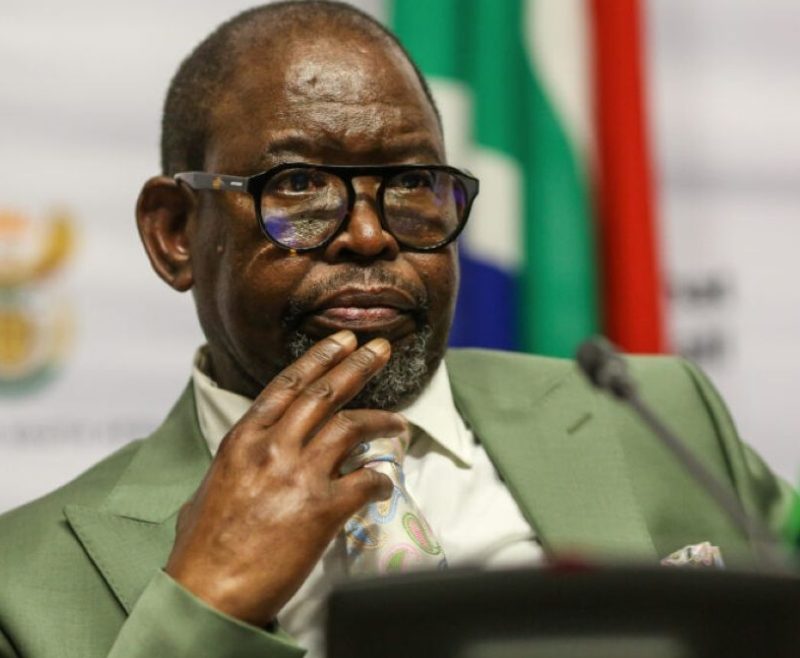
National Treasury’s announcement on 7 July that is it is temporarily withholding the July 2026 equitable share transfers to a large number of municipalities across the country represents one of the most consequential interventions in local government finance in recent years. On paper, it is a technical measure designed to enforce compliance with the Constitution…
read moreSouth Africa’s constitutional commitment to public participation is one of its democratic strengths. Yet participation cannot compensate for poor policy design. When departments fail to test evidence, assess impacts and engage stakeholders early, Parliament and the public are left trying to fix legislation that should have been better designed from the outset. The country’s law-making…
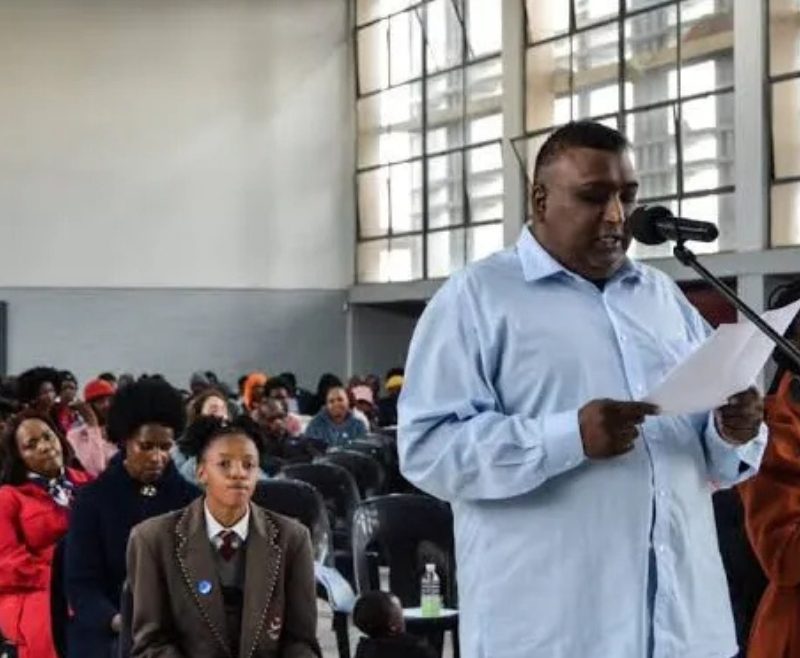
read moreSouth Africa’s post-state capture experience has left an important legacy – a heightened awareness of the dangers of hidden influence, elite networks and the abuse of public power for private gain. That vigilance is necessary. However, democracy is weakened when legitimate engagement with government is treated as something inherently suspicious. We make a serious mistake…
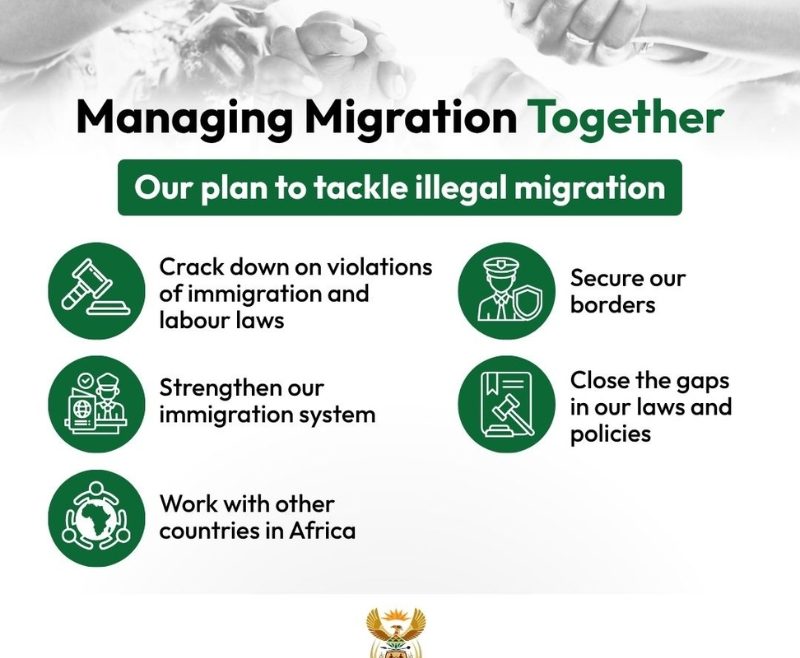
read moreOn 14 June, the Inter-Ministerial Committee (IMC) on Migration briefed the nation on the implementation of government’s Comprehensive Approach for Migration Management after President Ramaphosa’s outlined a five-pillar migration management strategy following the rise of anti – illegal immigration protests across South Africa. The IMC’s implementation plan provided details on enforcement targets, intergovernmental coordination mechanisms,…
read moreOn 1 June, Makashule Gana of Rise Mzansi was elected chairperson of the Section 89 Impeachment Committee. As Chairperson, Mr Gana will lead the committee, oversee its proceedings, guide its deliberations, and ensure that its work is conducted in accordance with the Constitution, the Rules of the National Assembly, and the committee’s mandate under Section…
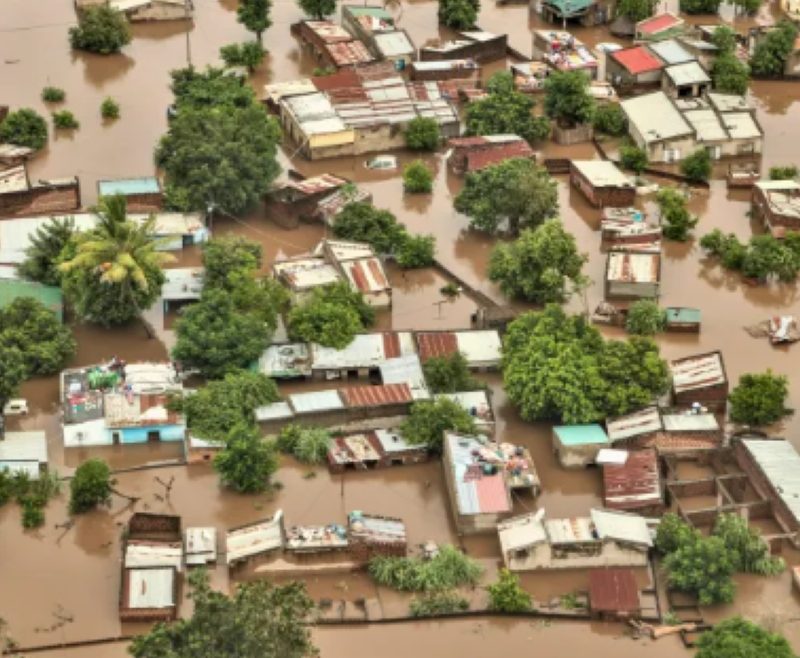
read moreIn South Africa, it does not take a once-in-a-century storm to expose systemic fragility. Often, a few days of heavy rain, a prolonged heatwave, or an extended drought is sufficient to reveal how thin the margins of resilience have become. Over the past decade (2016-2024), floods in KwaZulu-Natal have resulted in widespread devastation, with cumulative…
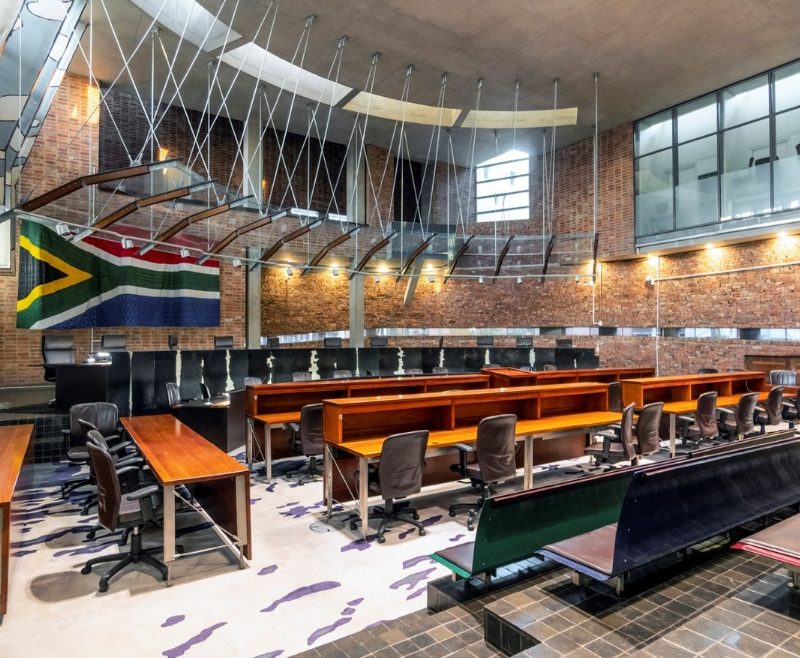
read moreIn a landmark majority judgment delivered on 8 May 2026, the Constitutional Court declared Rule 129I of the National Assembly Rules unconstitutional, struck it down, and immediately rewrote it through severance and reading-in. The Court set aside Parliament’s 13 December 2022 vote against the adoption of the retired Chief Justice Sandile Ngcobo led Phala Phala…
read moreWhen President Cyril Ramaphosa announced 4 November 2026 as the date for South Africa’s next Local Government Elections, it did more than set a timetable. It effectively started a countdown to what may be the most operationally consequential political event since 1994; not because of who wins nationally, but because of what happens inside municipalities…
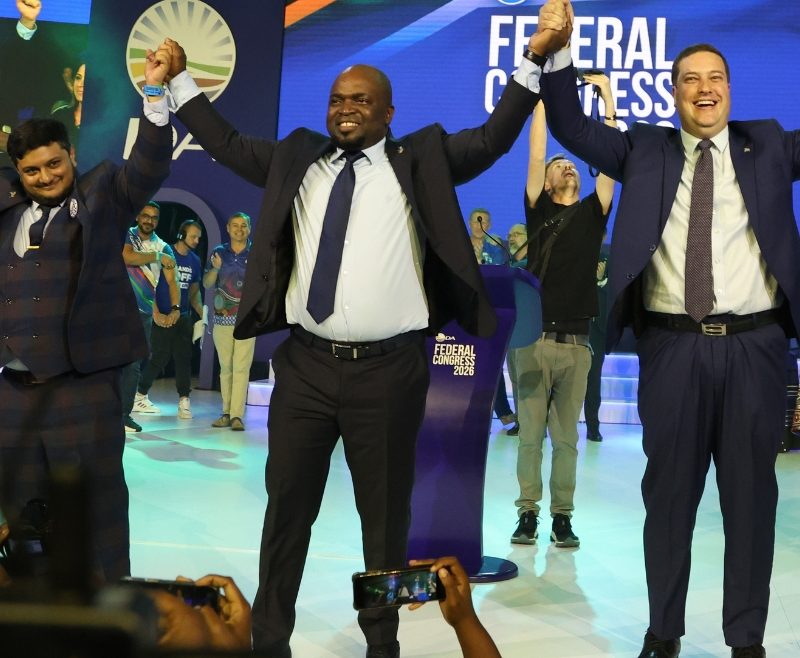
read moreThe Democratic Alliance (DA’s) Federal Congress over the past weekend was meant to project renewal. Instead, it revealed a party suspended between reinvention and repetition; eager to look forward, yet structurally anchored in its past. At one level, the DA can credibly claim generational change. From Mmusi Maimane, who became leader at just 35, to…
read moreSouth Africa’s foreign policy posture has long been shaped by a powerful moral premise: that its democratic transition, made possible in part by decades of solidarity and support from across Africa and the broader international community, carries with it a responsibility to contribute to the stability, peace, and renewal of the continent. Since 1994, this…
read more