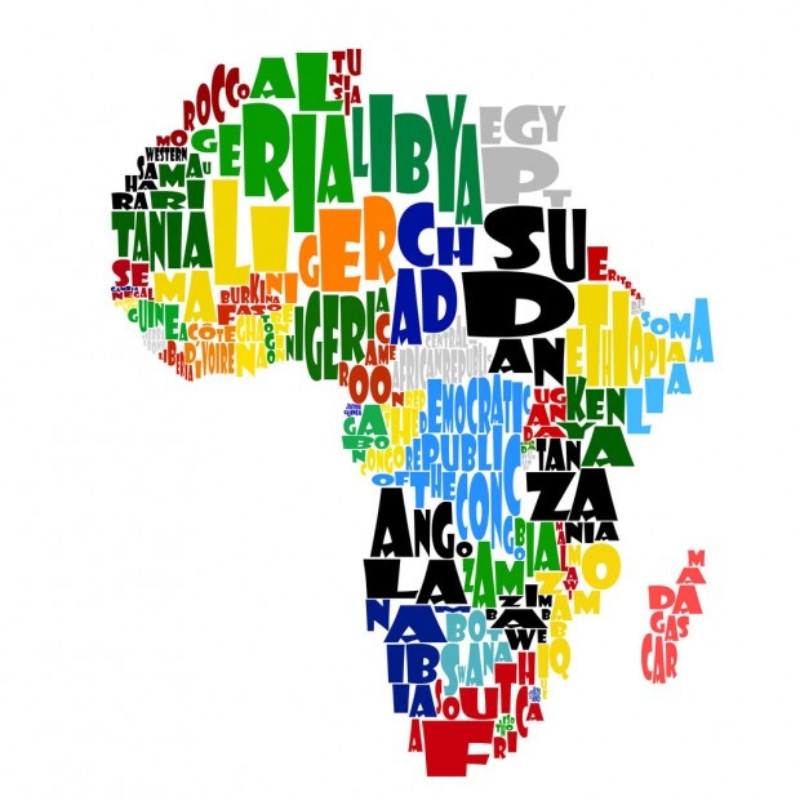
Amid an unfolding geopolitical upheaval, financial shocks, and fractured supply chains, Africa stepped into the month of May – her commemorative month – with both pride and urgency. Africans, both on the continent and in the Diaspora, celebrated Africa Day on Sunday 25 May. They used the day not just for celebration, but also as a moment of reckoning.
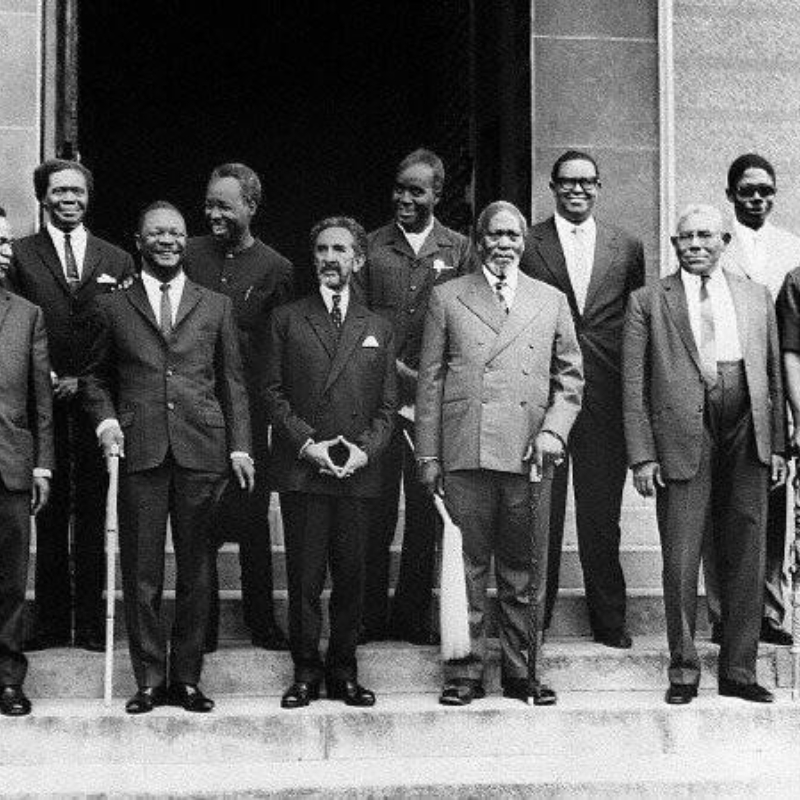
Africa Day marks the anniversary of the founding of the Organisation of African Unity (OAU) on 25 May 1963 in Addis Ababa, Ethiopia; an event that cemented the continent’s shared aspirations for unity, liberation, and sovereignty. Renamed the African Union (AU) in 2002, this institutional evolution mirrored the continent’s broader pivot: from political emancipation to socio-economic transformation.
For Western Sahara, the noble goal of self-determination has been deferred. After years of bilateral engagements between, on 26 May Kenya finally supported Morocco’s ‘autonomy initiative’ for Western Sahara, describing it the “only credible and realistic solution” to the decades-long conflict. This move aligns Kenya with a growing number of African, Arab, and Western countries supporting Rabat’s stance, further isolating the Algeria-backed Polisario Front, which advocates for Sahrawi independence.
A Time to Reflect and Reimagine
Africa Day resonates deeply within Africa and its Diaspora. It is a time to honour the continent’s rich political history and cultural diversity and wealth, confront her challenges, and reimagine her future. It echoes the vision of the “African Renaissance” articulated, perhaps in distinct yet complementary tones and to varying degrees, by South Africa’s Thabo Mbeki, Nigeria’s Olusegun Obasanjo, Senegal’s Abdoulaye Wade, and Algeria’s Abdelaziz Bouteflika in the late 1990s to early 2000s. That era, shaped by post-colonial momentum, institutional reforms, and the launch of the United Nations Millennium Development Goals, was marked by an urgent call for renewal.
In 1963, newly independent African states faced the monumental task of building national identity amid lingering colonial umbilical cords. Today, a similar convergence of contradictions and opportunities defines Africa’s path. The continent is making bold strides to assert herself in the global political economy and body politic, yet she remains tethered by import-dependent trade, weak institutions, external political influence, and structural vulnerabilities
From OAU to AU: A Broader Mandate
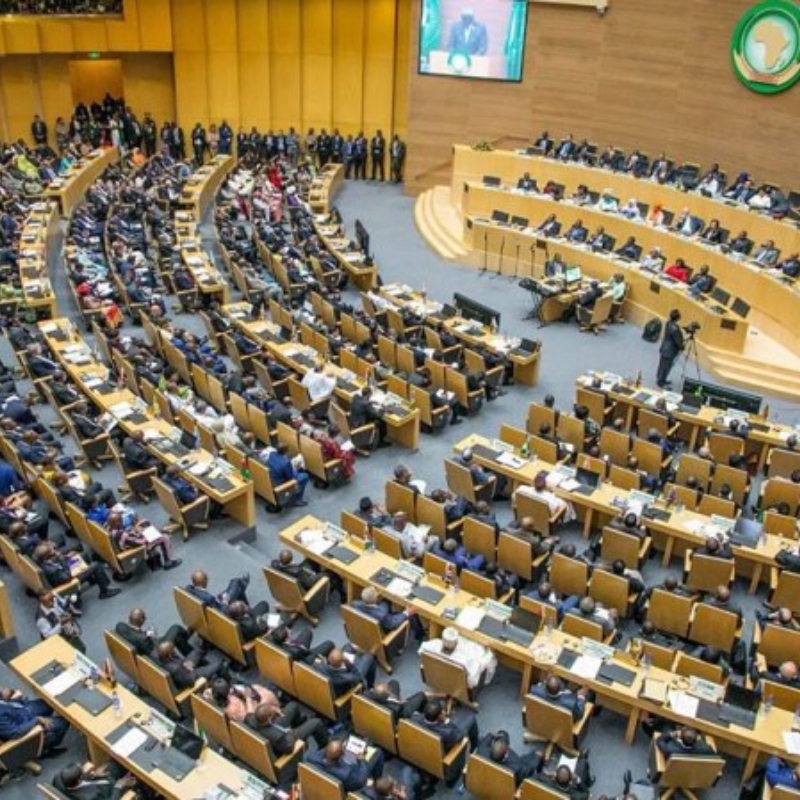
The transformation from OAU to AU was more than cosmetic. While the OAU prioritised decolonisation and political sovereignty, the AU embraced a wider remit: peacebuilding, regional integration, sustainable development, and democratic governance.
Initiatives like the African Governance Architecture (AGA) – particularly through such instruments as the African Peer Review Mechanism (APRM) – the New Partnership for Africa’s Development (NEPAD), AU Agenda 2063, and the African Continental Free Trade Area (AfCFTA) represent ambitious steps toward collective self-reliance. Yet, many of these goals remain aspirational in the face of internal and external constraints.
Governance and Security: Africa’s Achilles Heel
Africa in 2025 continues to grapple with deep governance and security crises that are mutually reinforcing:
- Governance deficits: Fragile institutions, disputed elections, and entrenched corruption undercut democracy and breed disillusionment. Countries like South Sudan and Cameroon show signs of authoritarian drift. In Nigeria and Kenya, elite impunity persists despite anti-corruption rhetoric.
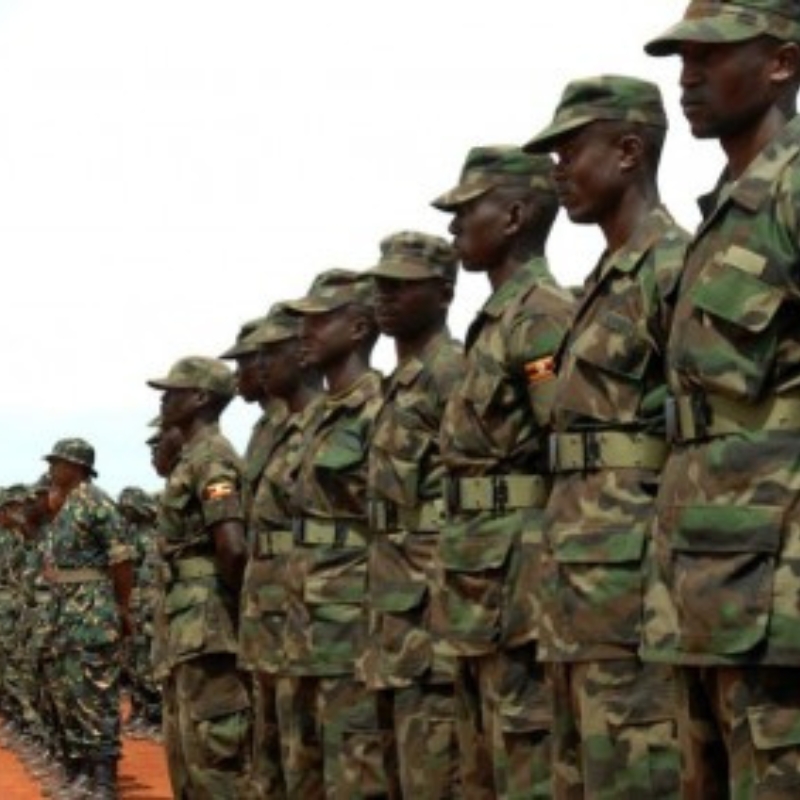
- Security threats: From jihadist insurgencies and Russia-backed Wegner Group’s involvement in the Sahel to ongoing instability in eastern DRC, Sudan, Ethiopia’s Tigray region and South Sudan, conflict zones reveal how state fragility fuels extremism and vice versa. AU’s noble goal of ‘silencing the guns in Africa’ remains elusive.
- Military coups: Since 2020, the resurgence of coups in Mali, Guinea, Burkina Faso, and Niger has reversed democratic gains and re-legitimised military rule in West Africa. In all, there have been 9 successful and 10 failed coups in Africa since 2020.
- Limited Regional Responses: The AU and its regional economic communities (RECs) – including ECOWAS, ECCAS, SADC, and EAC – often struggle with limited enforcement capacity and questions of neutrality. Sanctions, particularly in West Africa, are frequently met with resistance. Peacekeeping operations, such as the Southern African Development Community Mission in the Democratic Republic of Congo (SAMIDRC), remain overstretched and heavily dependent on external funding. In the case of the eastern DRC conflict, external actors like Qatar and the United States have taken the lead in mediation efforts. Notably, they have succeeded – at least preliminarily – in bringing the presidents of Rwanda and the DRC to the negotiating table, where both the AU and RECs have so far fallen short.
- Socioeconomic roots: Youth unemployment and inequality, in countries such as South Africa, Lesotho, and Mozambique, and climate-induced resource competition in the Lake Chad Basin and Horn of Africa, exacerbate fragility and create fertile ground for conflict.
Despite progress in countries like Ghana, Tanzania and Rwanda, much of the continent is caught in a vicious cycle: weak institutions breed insecurity, and insecurity corrodes governance.

A Changing World Order: Opportunity or Trap?
Africa’s position on the global chessboard is growing more complex. During the 2002–2022 period, the continent experienced dynamic, albeit uneven, growth. Commodity booms brought investment, but also dependency. The “Africa Rising” mantra of the early 2010s was disrupted by internal shocks and external crises – from the oil slump to the onset of COVID-19 in 2020.
Then came the Russia-Ukraine war, global inflation, and rising debt distress. By 2022, over 20 African countries were near or in debt distress. The COVID-19 pandemic exposed healthcare gaps and deepened socio-economic divides.
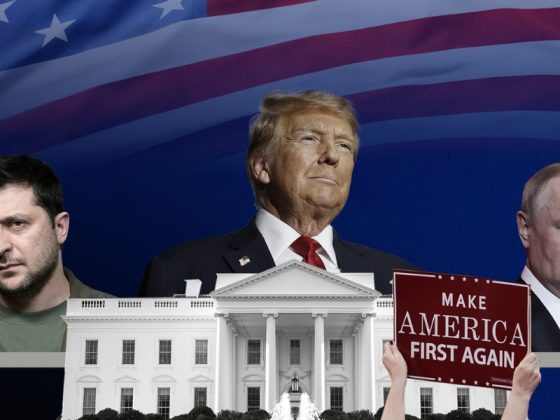
Now, in 2025, with Donald Trump’s return to the White House and the world moving decisively toward multipolarity, Africa faces a shifting diplomatic landscape. Trump’s transactional approach to foreign policy – rooted in his “America First” agenda – prioritises economic nationalism, military assertiveness, and a recalibration of U.S. global alliances. As global dynamics shift, the U.S. appears to be engaging with Africa based on misinformation and divisive rhetoric rather than facts, respect, and mutual interest – as has been seen with its posture towards South Africa.
Trump’s second term has ushered in deepening great-power rivalries and diminishing the space for multilateral cooperation. Against this backdrop, global powers – including China, India, Turkey, Russia, and the traditional Western actors like the U.S. and the EU – continue to vie for influence across the continent, often with motives that do not align with Africa’s long-term development interests.
Foreign investments are frequently tethered to resource extraction, strategic footholds, or political leverage. Infrastructure financing and debt-driven agreements, while promising on the surface, can evolve into economic dependencies that undermine sovereignty and limit policy autonomy.

The Strategic Crossroads
Africa must now answer a fundamental question: Will she shape her future, or have it shaped by others?
AfCFTA holds promise as a shield against global shocks – a framework for deeper intra-African trade, supply chain integration, and regional resilience. But implementation has been slow. Real progress demands strengthening institutions and the rule of law at member states level, investing in local value chains and green transitions, fostering inclusive development, and enhancing regional enforcement and unity.
Sovereignty in the 21st century is not isolation. It is strategic integration, grounded in shared values and regional strength.
The AU, as a collective, must do everything in its power to resolve the question of Western Sahara, including the role of foreign powers – such as the U.S. and France – thereto. Kenya’s endorsement of Morocco’s autonomy plan has significant implications for the continental body, which has historically supported the Sahrawi Arab Democratic Republic (SADR) and the principle of self-determination. Kenya’s decision to withdraw its ambassador from the SADR and prioritise relations with Morocco reflects a departure from the AU’s traditional stance.
This shift may contribute to divisions within the AU, as member states grapple with balancing support for decolonisation and self-determination against emerging geopolitical and economic interests.
The Spirit of Africa Day
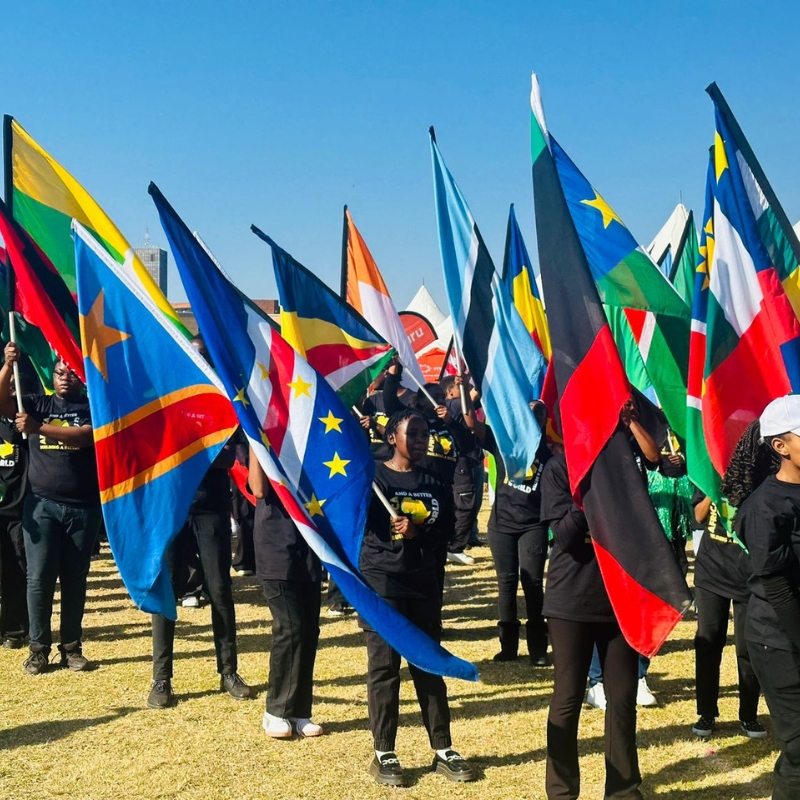
Africa Day is not just a remembrance of past struggles or a celebration of cultural pride. It is a mirror and a map. It reflects both the promise and peril of the present moment. And it charts a path forward rooted in unity, resilience, and self-determination.
The dream born in Addis Ababa in 1963 remains valid. However, it now demands a new kind of leadership; one that rejects dependency and demands dignity, not just in rhetoric, but in results. The world is shifting. Africa must not wait to be invited into the future — she must claim it.