The latest BER Reform Barometer shows that South Africa is making real progress in several areas. But the next phase of reform will be defined less by policy announcements and more by whether government can make infrastructure, institutions and services work reliably, particularly as the country heads towards the 4 November Local Government Elections. …
read moreThe affordability of telecommunications services in South Africa has been an ongoing policy concern, and has been touted as key to the country’s digital growth, particularly the 4th industrial revolution. But the latest evidence suggests that the issue before the Independent Communications Authority of South Africa (ICASA) is no longer simply whether South Africans can…

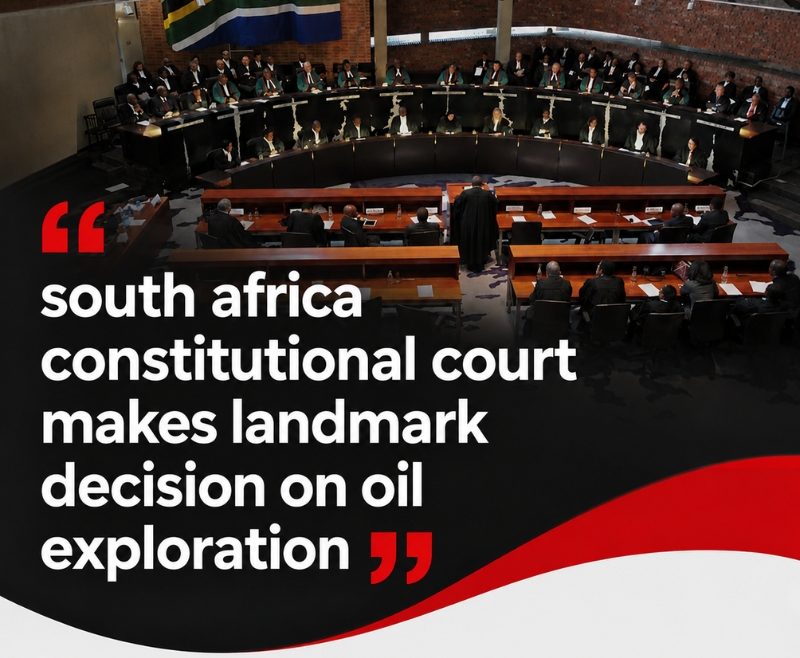
read moreAfter more than a decade of litigation, the Constitutional Court delivered a verdict in the Wild Coast NPC v Minister of Mineral Resources and Energy [2026] and set aside petroleum companies Shell and Impact’s exploration rights. The judgment is significant not only because of its implications for offshore oil and gas exploration, but because it…
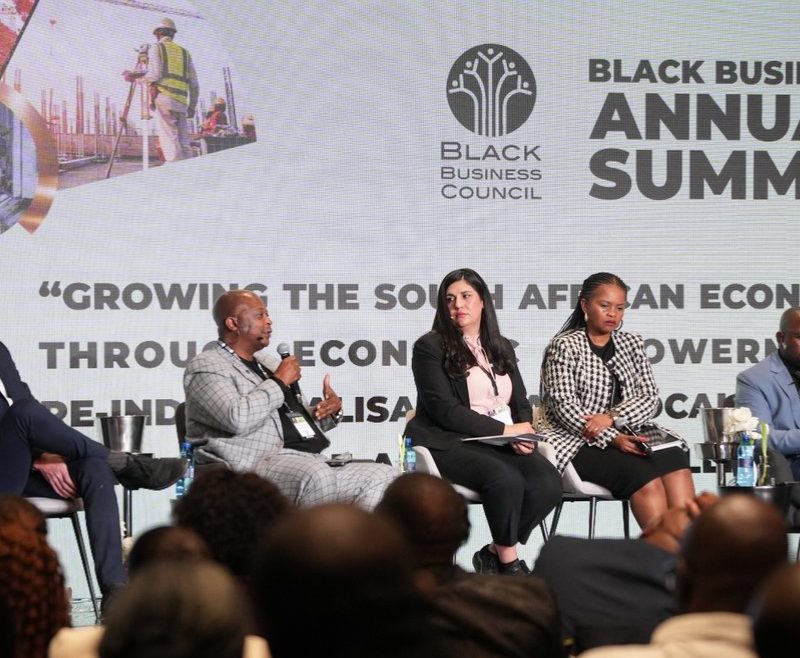
read moreThis year’s Black Business Summit held in Ekurhuleni on 12-13 August, took place against a South African economic and political environment in which the traditional language of transformation is increasingly being tested against the realities of weak economic growth, limited capital formation, industrial decline, technological disruption and uneven state capacity. Convened by the Black Business…
read moreDay 1 of the 2026 TIPS Annual Forum demonstrated that the debate on African industrialisation has fundamentally shifted. The central question is no longer whether Africa should industrialise, but how Africa should industrialise in an era characterised by geopolitical rivalry, fragmented trade, technological disruption and climate transition. This represents a decisive departure from the post-Cold…
read moreOverview The second day of the 2026 TIPS Forum shifted the conversation from why industrial policy has returned to how Africa should industrialise in an increasingly uncertain global environment. While Day 1 highlighted the impact of geopolitical fragmentation, economic security and strategic competition on the resurgence of industrial policy, Day 2 explored the practical pathways…
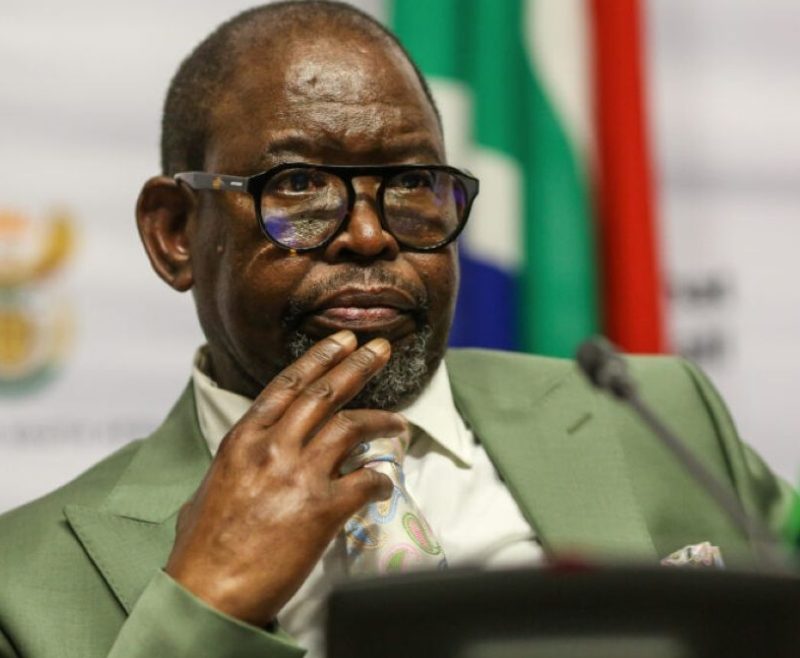
read moreNational Treasury’s announcement on 7 July that is it is temporarily withholding the July 2026 equitable share transfers to a large number of municipalities across the country represents one of the most consequential interventions in local government finance in recent years. On paper, it is a technical measure designed to enforce compliance with the Constitution…
read moreSouth Africa’s constitutional commitment to public participation is one of its democratic strengths. Yet participation cannot compensate for poor policy design. When departments fail to test evidence, assess impacts and engage stakeholders early, Parliament and the public are left trying to fix legislation that should have been better designed from the outset. The country’s law-making…
read moreSouth Africa’s post-state capture experience has left an important legacy – a heightened awareness of the dangers of hidden influence, elite networks and the abuse of public power for private gain. That vigilance is necessary. However, democracy is weakened when legitimate engagement with government is treated as something inherently suspicious. We make a serious mistake…
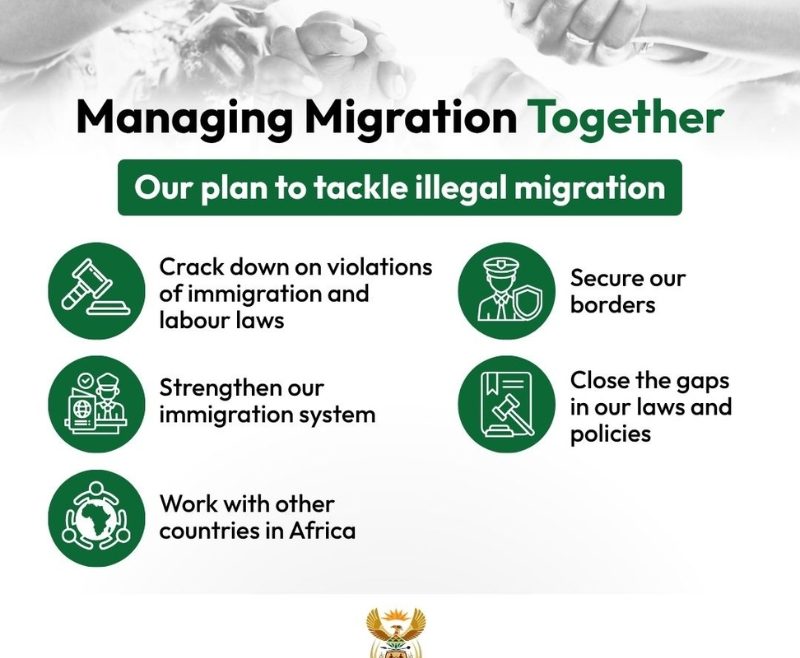
read moreOn 14 June, the Inter-Ministerial Committee (IMC) on Migration briefed the nation on the implementation of government’s Comprehensive Approach for Migration Management after President Ramaphosa’s outlined a five-pillar migration management strategy following the rise of anti – illegal immigration protests across South Africa. The IMC’s implementation plan provided details on enforcement targets, intergovernmental coordination mechanisms,…
read more