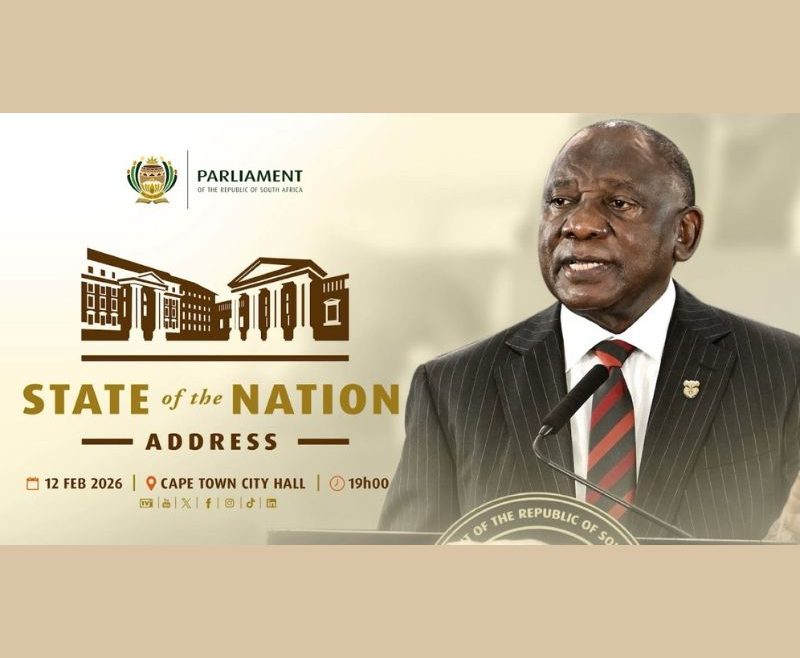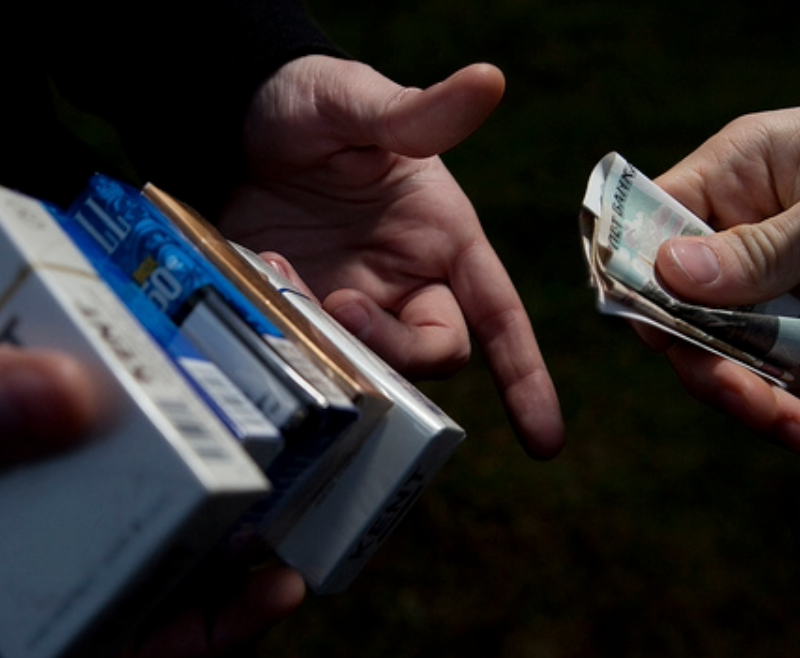
Introduction In his 2026 State of the Nation Address, President Cyril Ramaphosa announced the National Illicit Economy Disruption Programme, a coordinated effort to combat illicit trade through collaboration between government and the private sector. The programme will utilise data analytics and artificial intelligence (AI) to target high-risk sectors, namely alcohol, counterfeit goods, fuel, and tobacco.…
read moreStrategic Context President Cyril Ramaphosa delivered the 2026 State of the Nation Address (SONA) against a backdrop of persistent structural challenges. South Africa faces high unemployment (31.9% nationally and about 60% among youth), weak municipal performance, and fiscal constraints, alongside growing public demand for social equity and transformation. These pressures are compounded by global dynamics,…
read moreAs President Cyril Ramaphosa prepares to deliver the 2026 State of the Nation Address (SONA) at Cape Town City Hall on Thursday, the tension between spectacle and substance will again be unavoidable. The slow reconstruction of the National Assembly building, which was gutted by fire on 2 January 2022, has become more than an infrastructural…
read moreIn January, British American Tobacco South Africa (BATSA) announced the closure of its Heidelberg factory, a facility that has anchored Lesedi Local Municipality’s economy since 1975, citing declining viability largely driven by rampant illicit tobacco trade in the country. Public commentary quickly attributed the closure to familiar factors: falling tobacco consumption, shifting market trends, and…
read moreIn a landscape long shadowed by rolling loadshedding and economic uncertainty, Eskom’s latest power system update, released on 30 January 2026, signals not just operational recovery, but a strategic inflection point for South Africa’s business sector. As the nation’s primary electricity supplier, Eskom has endured years of scrutiny for its role in stifling economic growth,…
read moreDemocratic Alliance (DA) Federal Leader John Steenhuisen’s decision not to seek re-election at the party’s April 2026 Federal Congress is more than a routine leadership transition. It represents a moment of strategic recalibration for South Africa’s second-largest party and introduces a fresh layer of uncertainty into the Government of National Unity (GNU) – an arrangement…
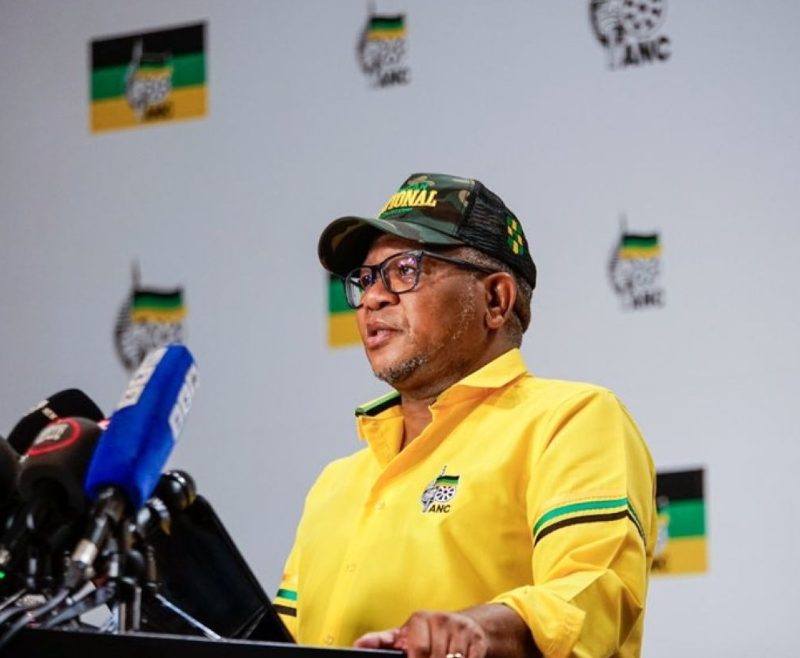
read moreFollowing the conclusion of its National Executive Committee (NEC) Lekgotla, the African National Congress (ANC) announced the establishment of a Service Delivery War Room, to be housed within the Office of the Secretary-General and led by Fikile Mbalula. Framed as a strategic intervention, the initiative is intended to stabilise struggling municipalities, strengthen oversight of ANC…
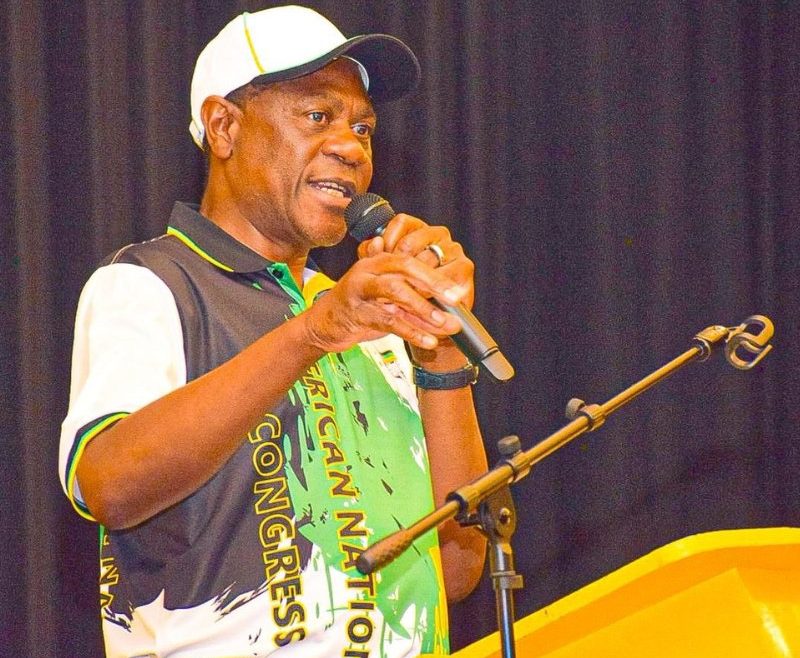
read moreThis week the African National Congress’ (ANC) is holding its 5th National General Council (NGC), 10 years after the last one in 2015. The NGC is a mid-term review of the party’s state of the organisation from electoral performances to policies, between its five-year elective national conferences and it is the second-highest decision-making structure after…
read moreAs the country’s matriculants wrap up their end-of-year examinations, South Africa once again confronts an uncomfortable truth: the education system they are exiting is fundamentally misaligned with the higher education system they are expected to enter. While the Department of Basic Education (DBE) continues lowering academic thresholds to boost pass rates, universities under the Department…
read moreSouth Africa received some welcome news after the credit ratings agency S&P decided to upgrade both SA’s foreign currency long-term sovereign credit rating to ‘BB’ from ‘BB- ‘and local currency long-term sovereign credit rating to ‘BB+’ from ‘BB’. Its outlook remains positive. Another agency, Fitch affirmed South Africa’s sovereign rating at BB- with a stable…
read more