Introduction
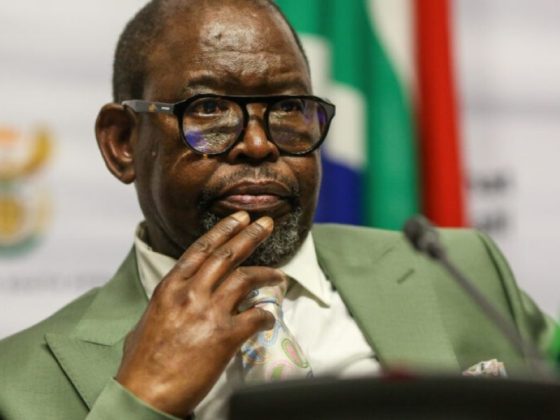
- On 21 May, Finance Minister Enoch Godongwana tabled an updated Budget that seeks to strike a delicate balance between economic growth and social stability.
- Positioned as a pragmatic response to South Africa’s intersecting crises – rising debt, stagnant growth, and widening inequality – Budget 3.0 offers targeted spending shifts rather than sweeping reforms.
- It maintains core commitments to infrastructure, public services, and social grants, while signalling tighter fiscal controls and improved efficiency across departments.
- The Budget reflects the outcome of intense political negotiations, compromises and sets the tone for a cautious yet responsive economic strategy moving forward.
Comparison of Budgets: 12 March vs. 21 May 2025
- While both Budgets addressed South Africa’s fiscal pressures and economic stagnation, the 21 May budget is shaped by political negotiation and public backlash, particularly around revenue proposals.
- The GDP is now estimated to grow at 1.4%, lower than the 1.9% projected in March.
Policy Intent and Tone
- The 12 March Budget was assertive and technocratic in tone. It focused on fiscal consolidation, stabilising debt, and closing the budget deficit through structural adjustments and modest revenue increases.
- However, the 21 May Budget is more politically calibrated. It was adjusted in response to political negotiations and public pressure, especially within a coalition context. Emphasis shifted slightly toward social stability and consensus-building.
- With the GNU partners, including the Democratic Alliance, cautiously supporting the budget, it is believed that it will overcome the necessary hurdles to be passed.
Revenue Measures
- The March Budget proposed a phased VAT increase from 15% to 16% over two years, aiming to raise R15 billion annually to ease pressure on debt servicing and fund public services.
- By contrast, in the May Budget, the VAT hike is scrapped and replaced with a fuel levy increase by 16 and 15 cents per litre for petrol and diesel respectively. This will generate R4 billion in revenue.
- However, this has received some backlash from coalition partners, civil society, and trade unions, regarding its regressive impact on poor households. This is in addition to the withdrawal of the additional zero-rated items proposed in March.
Spending Priorities
- The March Budget focused on continued investment in infrastructure and state capacity, but under tight spending ceilings. The tone was restrained, with controlled allocations to education, healthcare, and social grants.
- In the May Budget spending commitments are maintained, albeit with some reductions. Infrastructure budget is projected to reach R1 trillion over the next three years. Higher grant increases and a one-year extension of the Social Relief of Distress (SRD) grant.
Debt and Deficit Management
- The May Budget reaffirms commitment to stabilising debt at 77.4% of GDP. This is 1.2% higher than projected in March Budget.
- However, the March Budget emphasised debt-service costs as a constraint – R385 billion annually (21% of revenue).
- The main budget deficit decreases by R8 billion over the MTEF, compared to March estimates.
- By 2027/28, the primary surplus will grow from an estimated 0.8% of GDP in this financial year to 2.1%.
- Debt service costs remain high, amounting to more than R1.3 trillion over the next three years. However, the tone softened slightly to reflect political consensus on avoiding deep cuts to social spending.
Political and Economic Context
- In March Godongwana presented a technocratic budget with Treasury asserting its independence. This occurred before the political fallout over the VAT hike proposal.
- The May Budget took place after significant political pressure, including coalition demands, court action and public mobilisation. It thus reflects a more consultative approach, balancing fiscal prudence with populist concerns.
Summary
| Feature | 12 March Budget | 21 May Budget (Revised) |
| Tone | Technocratic, fiscally cautious | Politically responsive, consensus-driven |
| VAT Proposal | Phased increase to 16% | Reversed; VAT held at 15% |
| Spending Flexibility | Tight, controlled | Expanded in key public sectors |
| Debt/Deficit Focus | Core priority | Maintained, with softened messaging |
| Political Influence | Minimal | High; shaped by coalition negotiations |
Shift and Implications
- The March budget aimed for discipline and predictability. The May revision recognises the political realities of coalition governance and socioeconomic pressures. Together, they reflect the evolving tension between technocratic control and democratic responsiveness in South Africa’s fiscal policymaking.
- Budget 3.0 signals a calculated shift – a move away from austerity for its own sake, toward a more measured, politically negotiated middle ground. While it avoids deep cuts, it also stops short of bold expansion, aiming instead to manage immediate pressures without triggering market backlash or public unrest.
- Budget 3.0 is a stopgap, not a breakthrough. It buys time, but South Africa’s real test lies in whether this space will be used to rebuild momentum or merely delay the reckoning.
The Road Ahead: Implications
- Policy Continuity with Caution: Budget 3.0 reinforces Treasury’s commitment to fiscal discipline, but leaves room for targeted spending, especially in infrastructure, energy, and social protection. This signals continuity, but with a more responsive posture.
- Investor Sentiment: By avoiding major shocks and affirming debt containment efforts, the Budget may offer short-term reassurance to investors and ratings agencies. Long-term credibility, however, hinges on execution and structural reforms.
- Political Dynamics: The balancing act reflects compromises made across party lines and within the ruling alliance. We can expect increased political contestation as constituencies push for delivery on promises without perceived trade-offs.
- Service Delivery Pressure: With constrained budgets, departments and municipalities will face mounting pressure to do more with less. Any failure in delivery, especially in health, education, or electricity, could deepen public frustration.
- Social Stability: Continued support for grants and essential services is likely to hold off immediate unrest, but if economic opportunities do not follow, pressure will resurface.