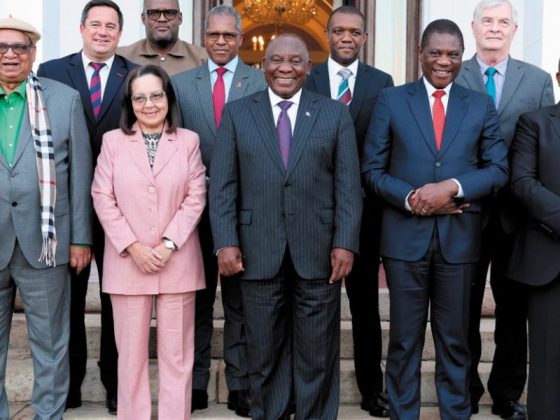
The African National Congress (ANC) Gauteng Provincial Task Team (PTT) held a two-day Lekgotla from 3 to 4 May. The Lekgotla was part of a strategic intervention aimed at confronting persistent governance failures, planning for the 2026 local elections, and reinforcing internal unity amid mounting political pressures and electoral decline in the province.
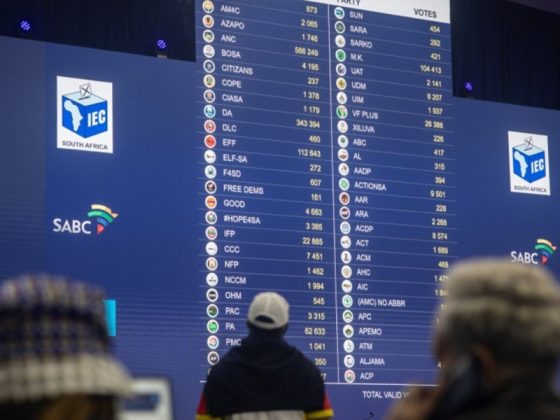
This Lekgotla represented a moment of reckoning for the ANC in Gauteng, marked by growing introspection about the party’s shrinking political dominance and administrative shortcomings. After more than a decade of electoral slippage, the ANC’s position in Gauteng is increasingly precarious. In the 2021 Local Government Elections, its support dropped to 45%, and by the 2024 general election, it had fallen further to 36% – a sharp trajectory that threatens the party’s grip on key municipalities and the province itself.
Governance failures and declining support
Delegates at the Lekgotla openly confronted the root causes of the ANC’s declining popularity, citing chronic service delivery breakdowns, rampant corruption, rising crime, and persistent intra-party factionalism. However, these issues are not new and the Lekgotla acknowledged that reform has been slow and largely insufficient to restore public confidence.
Service delivery remains dire in Gauteng’s metropolitan municipalities, where instability and mismanagement have led to financial strain and administrative gridlock. Resource limitations further complicate the ability of municipalities to meet public expectations – making quick turnarounds ahead of the 2026 elections unlikely.
The coalition conundrum
Municipal instability is another major concern. With no single party holding dominant power in Gauteng, coalition politics have become the new norm; but they remain volatile and unstructured. The risk of alliance breakdowns has led to frequent leadership changes, policy paralysis, and undermined service delivery, particularly in metros like Johannesburg, Ekurhuleni and Tshwane.
At the provincial level, Premier Panyaza Lesufi is leading a minority government, which leaves his administration exposed to political pressure from opposition parties. Any further erosion of ANC support could render the provincial government ungovernable or force it into fragile coalition arrangements.
Internal factionalism and structural weakness
The PTT in Gauteng, like its counterpart in KwaZulu-Natal, operates as an interim structure – reflecting the unresolved internal divisions within the ANC at both provincial and national levels. These divisions risk tempering with regional structures, fragmenting candidate selection, campaign coherence, and overall party unity ahead of 2026.
Factionalism has already weakened the ANC’s organisational strength in key metros and undermined discipline in public office. Voters increasingly view the party’s internal squabbles as contributing to governance dysfunction.
Fraying alliances and electoral fragmentation
The ANC’s traditional alliance partners are no longer guaranteed allies. The South African Communist Party (SACP) has chosen to contest elections independently, while SANCO in KwaZulu-Natal has severed ties altogether. These moves reflect growing disillusionment with the ANC’s leadership and governance record and pose a significant threat to its traditional support base.
In addition, breakaway formations such as the uMkhonto weSizwe Party (MKP) and Economic Freedom Fighters (EFF), despite their own internal issues, continue to siphon off ANC voters. Disaffected supporters may not automatically return to the ANC, even if rival parties falter.
The road to 2026: A narrowing window
Between 2016 and 2024, the ANC’s support in Gauteng fell from 45% to 36%. If the current trend continues, the party risks falling below 30% in the 2026 local elections, making governance through coalitions unavoidable, but increasingly unstable.
The Lekgotla signalled an awareness of these challenges, but the critical issue remains: will the ANC act decisively, or remain stuck in introspection?
Key priorities for electoral recovery
To rebuild voter trust and arrest its decline, the ANC in Gauteng must urgently:
- Implement a clear, unified communication strategy across all levels of the party
- Deliver tangible service improvements, especially in urban areas
- Stabilise coalition governance and assert leadership in municipal councils
- Rein in internal factionalism and restore party discipline
- Reaffirm political credibility through consistent and principled governance
Conclusion
The ANC in Gauteng stands at a crossroads. The Lekgotla highlighted the party’s awareness of its vulnerabilities but also exposed the limits of rhetoric without follow-through. Unless meaningful reforms and decisive leadership emerge soon, the party risks not only further electoral decline but a governance collapse in South Africa’s economic hub.