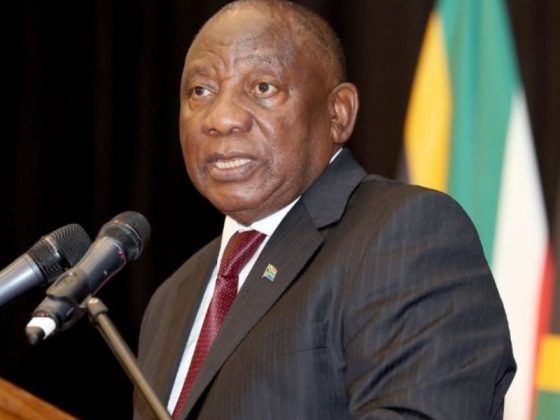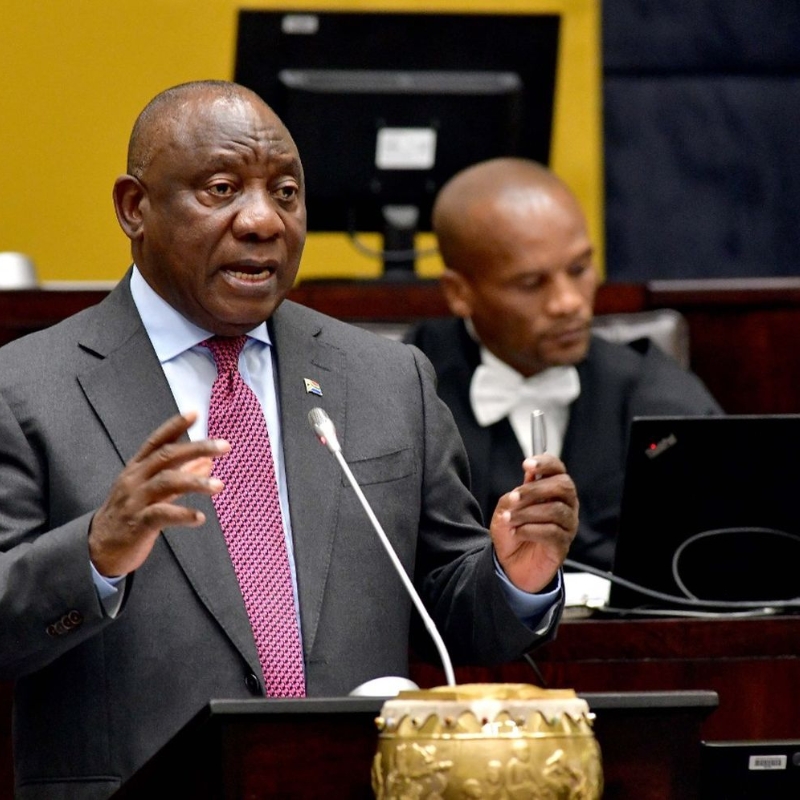
- On 9 September, during the quarterly oral question and answer session at the National Assembly, President Cyril Ramaphosa addressed the members of parliament (MPs) on the state of South Africa’s trade initiatives and strategies post the 30% tariffs imposed on South Africa by the United States.
- Ramaphosa underscored two critical strategies for enhancing economic resilience: first, to strengthen existing trade relationships, and second, to diversify export markets. This is particularly crucial for sectors adversely affected by the US tariffs, such as the automotive and citrus industries.
- The President reaffirmed South Africa’s commitment to increasing the export of value-added products to both existing and new markets, a move aimed at offsetting the financial strain that these tariffs have placed on the South African economy.
- He emphasised the importance of supporting businesses impacted by the tariffs through initiatives like the Localisation Support Fund and the Export and Competitiveness Support Program, which are designed to address immediate needs across various industries.
- In pursuit of these goals, South Africa is taking proactive steps to enhance its competitiveness and diversify its export markets. Furthermore, Ramaphosa highlighted the pivotal role of the African Continental Free Trade Area (AfCFTA) as a vital tool to mitigate the economic repercussions of losing preferential trade access to the US market.
- On the ongoing negotiations with the U.S, Ramaphosa informed MPs that South Africa is dedicated to securing a mutually beneficial trade and investment deal.
Better Late than Never
- South Africa’s sudden wake from its slumber following the imposition of Trump tariffs is symptomatic of the government’s reactive nature. The current situation could have been somewhat avoided if it had been proactive and implemented the plans that are already there. For instance, since 2012, the country has had the National Development Plan (NDP), which places strong emphasis on export-led growth and market diversification as key levers for building an inclusive, resilient economy by 2030.
- Additionally, the government knew from early on of the risk of President Trump increasing tariffs on goods from South Africa and AGOA not being renewed, yet no concrete plans were put in place. The Localisation Support Fund and the Export and Competitiveness Support Program are, at best, knee-jerk reactions.
- The AfCFTA is still some way from being fully implemented, thus for South Africa to punt it as the solution is misplaced. Yes, in the long run, it may provide a wider market for South African goods, but the country’s challenges of stagnant growth, rising unemployment and a shrinking industrial base are immediate.
- Additionally, there is intense competition from established economies for the African market that may make it difficult for South African goods to compete.
- The positive is that it is better late than never, and the country should fasten its boots and implement the reforms that the government and experts have been talking about for years to make the country competitive and unlock investments. As it has been said time and again, South Africa has some of the best plans you can find; the problem is the implementation of those plans.